As prescriptions increase, so do patient questions, and one common query is, “Can I mix Eliquis and alcohol? ” First, let’s talk about the uses of Eliquis and other safety information. Drug rehabilitation In fact, there were more than 12 million prescriptions filled for Eliquis in 2018. This newer medication has nearly caught up to warfarin—also known by its brand name Coumadin—a classic blood thinner that’s been used since 1954. Xarelto and alcohol can be deadly, especially when not treated immediately. Without medical aid, the detoxification process from prescription drugs can be painful and challenging.
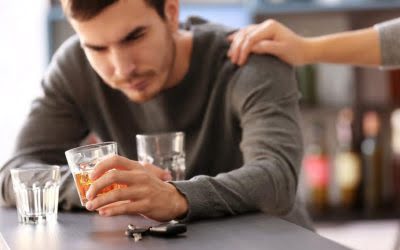
Clonidine for Drug and Alcohol Withdrawal Treatment
A heart attack may result from a blood clot restricting blood flow to the heart. For some, abstaining from alcohol may be straightforward, but for others, especially those grappling with an alcohol use disorder (AUD), it can be quite difficult. Seeking professional assistance through counseling and rehabilitation programs can provide support for anyone looking to stop drinking, regardless of the severity of their alcohol use. Wine, in particular, has been found to have the biggest blood-thinning effect compared to other alcoholic beverages like beer and liquor.
Want the best price on eliquis?
He is a Fellow of the American College of Cardiology (FACC) and American board-certified in general cardiology, echocardiography, and stress-testing, and can alcoholism cause blood clots nuclear cardiology. Lastly, he obtained graduate education in public health and business administration to contribute to national healthcare reform research and implementation. Of course, healthcare professionals are here to assist and support you along the way. There’s more than one kind of blood thinner, and they work in different pathways within the body. According to research, moderate consumption of alcohol has been found to cause a small increase in your HDL (good) cholesterol.
- Over-imbibing can affect how quickly your blood clots and can increase your chances of falling.
- Doctors prescribe warfarin to approximately two million Americans each year.
- Moderate consumption is generally defined as up to one drink per day for women and two for men, but this can be more restricted for those on blood thinners.
Contingency Management: Evidence-Based Addiction Therapy Using Positive Reinforcement
As with any medication, it is important to follow your healthcare provider’s advice regarding alcohol consumption while taking Xarelto. While there is no specific prohibition against drinking alcohol while on Xarelto, it is essential to exercise caution and moderation. Xarelto is a medication belonging to the class of anticoagulants, also known as blood thinners. Xarelto works by inhibiting the clotting process in the blood, which helps prevent the formation of dangerous blood clots. According to some studies, alcohol consumption may be up to one drink per day for women and two drinks per day for men.
Does alcohol make blood clots or risk of stroke worse?
Even minor injuries may cause prolonged or excessive active bleeding, such as nosebleeds, bleeding gums, or heavy menstrual periods. Overall, alcohol can significantly influence how anticoagulants function in the body. Understanding these interactions is crucial for anyone on blood thinners.
- Alcohol consumption can significantly increase the risk of bleeding when combined with blood thinners.
- While two glasses of wine can generally thin the blood, the effects may be different for heavy drinkers due to their higher tolerance.
- Because of this, it is not advised for persons with severe liver disease, especially liver issues related to blood-clotting issues, to use Xarelto (coagulopathy).
- The liver is heavily involved with the blood clotting process, producing most of the proteins needed for clots.
If you are taking blood thinners, alcohol use can increase your risk of bleeding. Combining alcohol with blood thinners can lead to a dangerous buildup of the drug in your body. This is because alcohol may slow down the rate at which your body breaks down and removes the blood-thinning drug. Therefore, it is recommended to limit or avoid alcohol if you are taking blood thinners. Research has found that moderate alcohol consumption, defined as one or two drinks per day, can decrease cardiovascular disease risk and may have a protective effect on https://abiluxuryvillas.gr/teenage-drug-abuse-signs-and-why-teens-turn-to/ blood vessels.
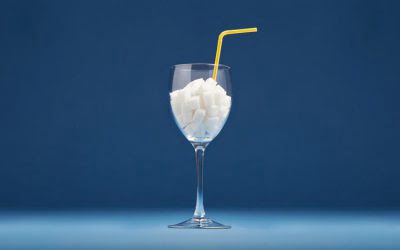
Plavix increases the risk of stomach bleeding if combined with daily alcohol use. Alcohol intake should be reduced, and any consumption discussed with a doctor. Due to the risks, it is best to avoid drinking while you are on a blood thinning medication. Blood thinners, whether they are anticoagulants or antiplatelets, don’t dissolve the clot but they can prevent clots from forming and small clots from getting bigger. They do this by helping the blood flow smoothly through the blood vessels.
Navigating The Risks In Addiction Recovery
Additionally, alcohol-induced dehydration can thicken the blood, increasing the risk of clots. Alcohol consumption can significantly increase the risk of bleeding when combined with blood thinners. Alcohol affects the blood’s clotting ability and can amplify the anticoagulant effects of these medications. This heightened risk makes it easier for minor injuries to result in excessive bleeding, which can be particularly dangerous.